
Inflammation plays a major role in periodontal health because the gums react strongly to irritation, bacteria, and lifestyle habits, making early awareness essential for long-term oral protection.
Why Does Inflammation Affect Periodontal Health?
Inflammation influences gum tissues deeply. The gums respond quickly to irritants. When plaque builds, inflammation begins. According to our editor’s research, the body reacts strongly. This reaction aims to protect tissues. Yet constant inflammation damages structure. Periodontal tissues weaken slowly. Untreated issues progress further. Gum pockets deepen over time. Deep pockets trap more bacteria. This cycle worsens inflammation. Healthy gums need balance. Balanced tissues resist irritation. Daily care supports this balance.
What Triggers Inflammation in the Gums?
Gum inflammation develops from several causes. Plaque remains the main trigger. Poor brushing allows buildup. Bacteria multiply quickly. According to our editor’s research, certain foods worsen irritation. Sugary meals feed bacteria. Smoking weakens defenses. Weak defenses increase inflammation. Hormonal changes influence gums. These shifts make tissues sensitive. People often notice redness first. Sensitivity follows soon after. Bleeding becomes common later. These signs indicate inflammation. Early response prevents progression.
How Do Early Symptoms Help Identify Problems?
Early symptoms guide awareness. Redness appears quickly. Swelling follows soon after. According to our editor’s research, bleeding during brushing signals issues. This sign shows sensitivity. Chronic bad breath may appear. Bad breath comes from bacteria. Gum tenderness increases discomfort. People often ignore mild symptoms. Ignoring symptoms allows progression. Periodontal damage builds slowly. Detecting signs early supports prevention. Early action protects gum health. Regular checks help awareness. Awareness strengthens habits.
Why Is Plaque Control Essential for Gum Protection?
Plaque control reduces inflammation. Brushing removes harmful buildup. Clean surfaces protect tissues. According to our editor’s research, daily habits shape results. Better brushing reduces bacteria. Flossing supports deeper cleaning. Flossing reaches hidden areas. These areas trap debris easily. Removing debris reduces irritation. Clean gums stay healthier. Healthier gums resist inflammation. Good hygiene creates stability. Stability prevents disease progression. Consistency shapes long-term gum health.
How Does Lifestyle Influence Periodontal Inflammation?
Lifestyle impacts gum health strongly. Smoking increases inflammation. Tobacco weakens circulation. Weak circulation slows healing. Stress also influences tissues. Stress affects hormone levels. Imbalanced hormones fuel inflammation. Diet affects gum condition. Sugary foods create problems. According to our editor’s research, balanced meals support stability. Hydration affects gum comfort. Dry gums inflame easily. Sleep impacts healing speed. Better sleep supports recovery. Healthy habits protect gums daily.
What Role Does the Immune System Play?
The immune system responds to threats. Bacteria activate immune cells. Immune cells create inflammation. This response aims to protect tissues. According to our editor’s research, chronic stress weakens immunity. Weak immunity increases vulnerability. Overactive immunity damages tissues. Balance becomes essential. Balanced immunity protects structure. Healthy habits support immune balance. Strong immunity reduces inflammation. The immune system shapes gum outcomes. Daily choices influence response.
How Does Periodontal Inflammation Affect the Whole Body?
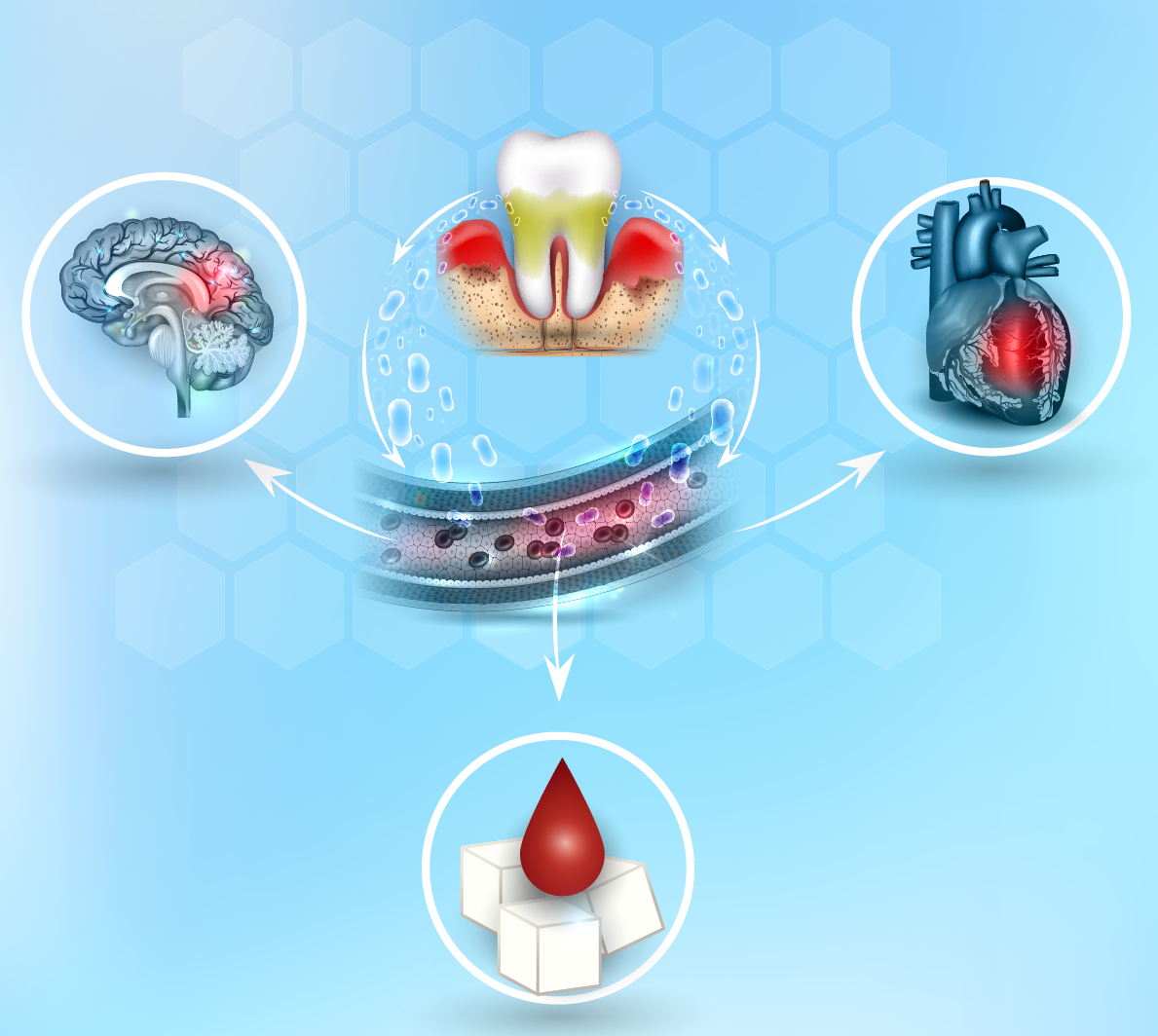
Periodontal inflammation affects more than gums. Bacteria enter the bloodstream. These bacteria travel widely. According to our editor’s research, inflammation links to systemic issues. Heart strain becomes possible. Blood sugar becomes harder to control. Chronic inflammation spreads easily. Whole-body responses intensify. People often miss this connection. Oral health influences overall health. Healthy gums support general wellbeing. Treating inflammation protects more than teeth.
Why Are Regular Dental Visits Important?
Regular visits detect problems early. Dentists notice subtle changes. Patients often miss early signs. Professional cleaning removes deeper plaque. According to our editor’s research, scaling helps prevent inflammation. Deep cleaning reaches hidden areas. These areas cause chronic issues. Regular exams track progress. Tracking supports prevention. Dentists guide effective habits. Guidance improves daily care. Visits create accountability. Accountability supports consistency. Consistency protects gum health.
How Can People Reduce Gum Inflammation at Home?
Home care shapes daily results. Brushing gently protects tissues. Soft brushes prevent irritation. Flossing removes hidden debris. According to our editor’s research, mouth rinses support comfort. Rinses reduce bacteria levels. Warm salt water soothes gums. Diet changes reduce irritation. Hydration supports tissue repair. Stress management helps balance. Better sleep enhances healing. Home care builds stability. Stability prevents progression.
What Habits Protect Gums From Long-Term Damage?
Protective habits support longevity. Routine brushing prevents buildup. Flossing maintains cleanliness. Healthy meals strengthen tissues. According to our editor’s research, quitting smoking reduces inflammation. Seeking dental advice helps guidance. Professional care supports prevention. Monitoring symptoms helps awareness. Early action prevents complications. Hydration maintains moisture. Moisture protects tissues. Daily discipline builds strength. Strong gums endure challenges.
How Do Hormonal Changes Affect Gum Inflammation?
Hormonal changes influence tissues. Pregnancy alters gum sensitivity. Puberty creates inflammation spikes. Menopause affects gum comfort. According to our editor’s research, hormones shift circulation. These shifts increase vulnerability. People notice easier bleeding. Tender gums become common. Regular care reduces symptoms. Dental visits help monitoring. Awareness supports prevention. Hormonal effects vary widely. Consistent habits reduce discomfort. Hormones shape gum responses.
Why Does Stress Increase Periodontal Problems?
Stress influences gums indirectly. It affects hormone balance. Imbalanced hormones fuel inflammation. Stress decreases immune function. Weaker immunity slows recovery. According to our editor’s research, stress affects hygiene habits. People neglect routines under pressure. Neglect increases plaque buildup. Buildup increases inflammation. Stress produces grinding habits. Grinding strains tissues. Tension worsens discomfort. Managing stress supports gum health. Calm routines reduce symptoms.
How Can People Build Better Daily Gum Care Routines?
Better routines begin with awareness. People need gentle brushing. Technique matters greatly. According to our editor’s research, circular motions protect gums. Hard brushing damages tissues. Regular flossing improves hygiene. Flossing prevents deeper issues. Rinsing supports comfort. Hydration keeps tissues resilient. Tracking habits helps discipline. Routine strengthens results. Balanced lifestyles support gum stability. Daily care shapes long-term health.