
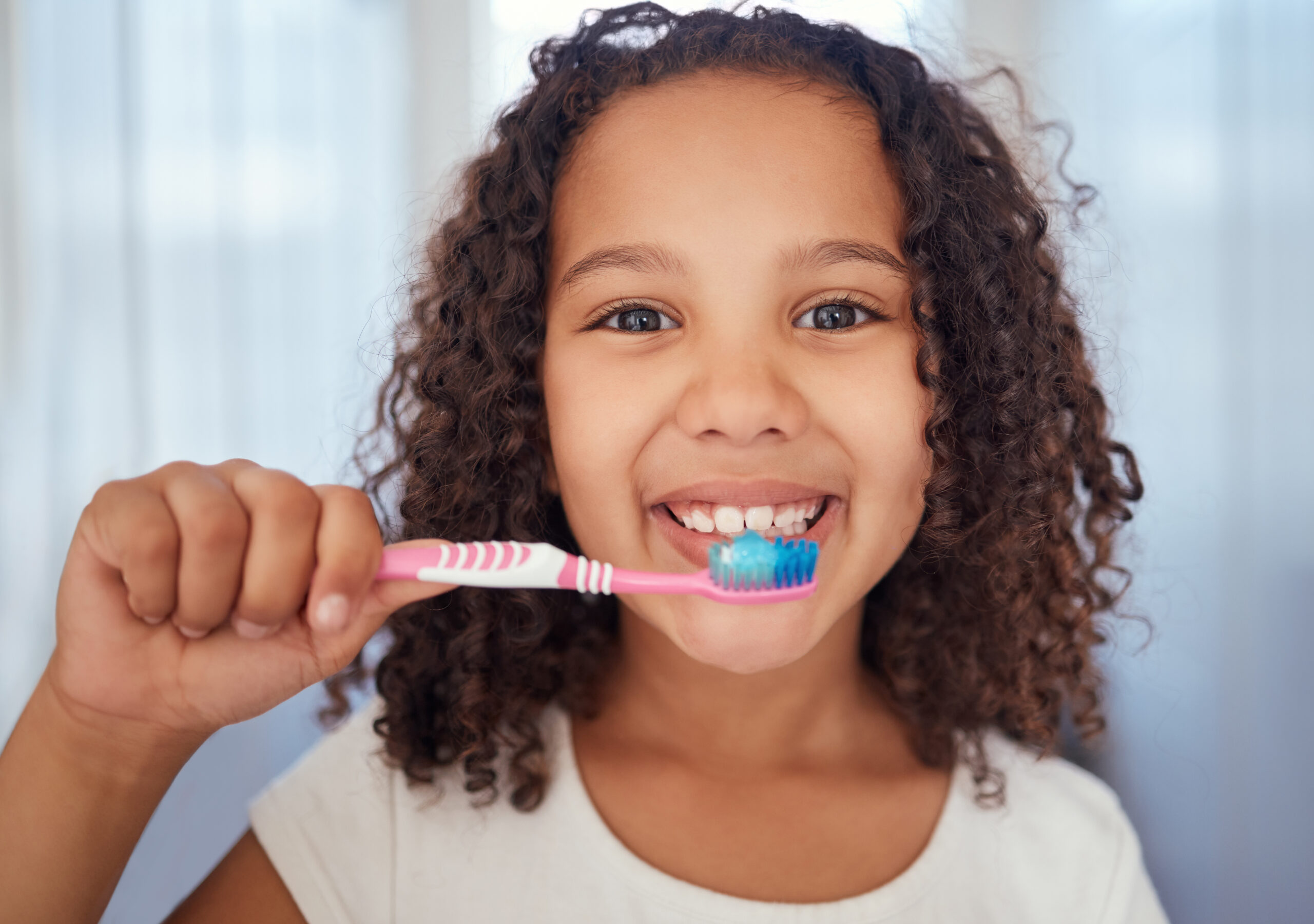
Many people assume gum irritation is normal. Others think bleeding means brushing harder is necessary. These beliefs are common and understandable. Daily routines become automatic over time. Small technique errors repeat unnoticed for years. According to our editor’s oral health feature reviews, brushing habits matter more than toothpaste brands. Gentle technique protects gums long term. Let’s slow down and look closer together.
Why do gums hurt during brushing?
Gums are sensitive tissues with rich blood supply. Aggressive brushing irritates this delicate surface. Hard pressure causes microscopic trauma repeatedly. Over time, inflammation becomes persistent. According to our editor’s dental care reviews, pain often signals technique problems. It rarely means gums need stronger brushing. Sensitivity is a message, not a challenge. Listening early prevents damage.
What causes gums to bleed easily?
Bleeding often results from inflammation called gingivitis. Plaque buildup triggers immune responses in gums. Inflamed gums bleed with minimal contact. Hard brushing worsens this response. According to our editor’s clinical summaries, bleeding rarely means weak gums. It usually means irritated gums. Gentle cleaning reduces bleeding gradually. Consistency matters more than force.
How hard should you actually brush?
Brushing should feel controlled and light. Pressure should massage, not scrub. Imagine cleaning delicate fabric, not tile. Heavy pressure offers no extra benefit. According to our editor’s preventive dentistry notes, plaque removes easily with proper angle. Brushing harder only harms tissues. Comfort indicates correct pressure. Pain signals excess force.
Which toothbrush is safest for gums?
Soft bristled toothbrushes protect gum tissue best. Hard bristles scrape enamel edges and gums. Medium bristles still cause irritation for many. According to our editor’s product evaluations, softness matters more than price. Brush head size also influences control. Smaller heads reach comfortably without pressure. Tool choice shapes technique naturally.
Does toothbrush shape affect gum health?
Brush design influences handling and reach. Compact heads reduce accidental gum contact. Flexible necks absorb excess pressure. According to our editor’s ergonomic reviews, better control reduces trauma. Straight handles encourage stable angles. Comfort improves consistency. The right shape supports gentle habits subconsciously.
What is the correct brushing angle?
The ideal angle targets plaque near the gumline. Brushes should tilt about forty five degrees toward gums. This allows bristles to clean gently beneath the margin. According to our editor’s instructional observations, flat angles miss plaque buildup. Steep angles poke gums. Proper angle balances cleaning and comfort. Practice builds confidence.
How long should brushing take?
Effective brushing usually takes two minutes. Shorter times miss areas. Longer times may increase irritation. According to our editor’s routine analysis, timing matters less than consistency. Dividing the mouth into sections helps balance pressure. Rushing increases force. Calm pacing protects gums.
Should you brush after every meal?
Brushing frequency depends on timing and acidity. Brushing immediately after acidic meals can harm enamel. Waiting allows saliva to neutralize acids. According to our editor’s oral chemistry notes, twice daily brushing suits most people. Overbrushing increases gum recession risk. Balance protects tissues. More is not always better.
How does brushing speed affect gums?
Fast brushing often increases pressure unconsciously. Slower strokes improve control and awareness. Gentle circular motions work best. According to our editor’s behavior studies, speed correlates with force. Slowing down reduces accidental injury. Rhythm encourages relaxation. Calm brushing feels different quickly.
What motion is safest for gums?
Small circular motions clean effectively. Scrubbing back and forth causes abrasion. Vertical motions may irritate sensitive areas. According to our editor’s dental technique features, circles distribute pressure evenly. This protects gum margins. Motion choice matters daily. Gentle circles reduce long term damage.
Can toothpaste choice affect gum comfort?
Some toothpastes contain strong abrasives. Whitening formulas may increase sensitivity. Mild formulations support healing. According to our editor’s ingredient reviews, toothpaste should complement technique. Flavor intensity does not equal effectiveness. Comfort matters more than foam. Simpler formulas often suit sensitive gums.
Does foam amount indicate cleaning power?
Foam quantity does not reflect cleaning effectiveness. Saliva contributes significantly to foam. According to our editor’s oral science features, plaque removal relies on bristle contact. Excess foam may encourage rushing. Less foam improves visibility and control. Clear view supports gentle technique.
How does electric brushing compare to manual brushing?
Electric toothbrushes can reduce pressure automatically. Oscillating heads clean efficiently with minimal force. Manual brushes rely more on technique. According to our editor’s comparative trials, both work when used correctly. Electric brushes help those pressing too hard. Awareness still matters. Technology supports habits, not replaces them.
Can brushing too gently cause problems?
Brushing too lightly may leave plaque behind. The goal is controlled, not timid. According to our editor’s hygiene balance notes, effectiveness comes from angle and motion. Pressure should feel purposeful but comfortable. Gums should not hurt. Balance develops with practice.
How do gums heal from brushing damage?
Gums can recover when irritation stops. Reduced pressure allows inflammation to subside. Bleeding often decreases within days. According to our editor’s healing observations, tissue resilience surprises many. However, recession cannot reverse easily. Early correction matters most. Prevention protects permanently.
What role does flossing play in gum comfort?
Flossing removes plaque where brushes cannot reach. Gentle flossing supports gum health. Snapping floss injures tissues. According to our editor’s interdental care reviews, technique matters again. Sliding motions protect gums. Combined care reduces inflammation. Balance improves comfort overall.
Should brushing hurt at all?
Brushing should never hurt consistently. Mild initial sensitivity may occur with inflamed gums. Pain should decrease with improved technique. According to our editor’s patient feedback summaries, ongoing pain signals a problem. Ignoring pain delays healing. Comfort indicates success.
How does stress affect brushing habits?
Stress often increases jaw tension and pressure. People brush harder subconsciously when stressed. According to our editor’s behavioral health notes, stress influences daily routines. Awareness helps adjust technique. Slowing breathing during brushing helps. Calm hands protect gums.
What common mistakes harm gums most?
Using hard bristles ranks high. Excess pressure follows closely. Incorrect angles cause repeated trauma. According to our editor’s clinical error reviews, rushing increases mistakes. Skipping gentle areas worsens inflammation. Small habits accumulate damage. Correction requires mindfulness.
How can you retrain brushing habits?
Habit change starts with awareness. Watching brushing in a mirror helps. Setting a timer slows pace. According to our editor’s habit science features, reminders support consistency. Practicing lighter pressure feels strange initially. Muscle memory adapts quickly. New habits settle naturally.
Does age affect gum sensitivity?
Gums become thinner with age. Recession risk increases gradually. According to our editor’s aging oral health reviews, gentle care becomes more important. Past damage accumulates silently. Adjusting technique protects remaining tissue. Age demands kindness, not force.
What about brushing for children and teens?
Children often mimic adult technique. Teaching gentle habits early prevents problems. Smaller brushes suit developing mouths. According to our editor’s pediatric care notes, supervision matters. Early habits shape lifetime health. Comfort encourages consistency. Education builds confidence.
How does diet influence gum response?
Sugar intake increases plaque formation. Acidic foods irritate tissues. According to our editor’s nutrition and oral health reviews, diet supports brushing outcomes. Hydration aids saliva protection. Balanced intake reduces inflammation. Brushing works best alongside diet awareness.
When should you replace your toothbrush?
Worn bristles lose effectiveness and increase injury risk. Frayed ends scrape gums. According to our editor’s tool maintenance notes, replacement every three months suits most. Sooner replacement follows illness. Fresh bristles clean gently. Tool condition matters.
Can mouth rinses help sensitive gums?
Alcohol free rinses soothe irritated tissues. Antiseptic rinses reduce bacterial load. According to our editor’s adjunct care reviews, rinses support but do not replace brushing. Overuse may cause dryness. Balance remains essential. Gentle routines win long term.
How do dental checkups support gum safety?
Professional exams detect early gum changes. Guidance personalizes technique. According to our editor’s preventive care analysis, feedback improves habits. Cleanings remove hardened plaque safely. Collaboration protects health. Checkups reinforce good routines.
What misconceptions exist about gum care?
Many believe bleeding means weak gums. Others think strong brushing builds strength. According to our editor’s myth reviews, both ideas are false. Gums need protection, not training. Education corrects habits. Understanding changes outcomes.
How long until gentle brushing shows results?
Improvements often appear within one to two weeks. Bleeding reduces gradually. Sensitivity fades with healing. According to our editor’s outcome tracking, patience matters. Abrupt improvement is uncommon. Consistency delivers steady progress.
What should you remember most about brushing gently?
Gentle brushing protects gums and teeth together. Force does not equal effectiveness. According to our editor’s overall oral care synthesis, technique outweighs tools. Awareness transforms routines. Comfort signals success. Healthy gums support lifelong smiles.